Images and video provided by Gales Design & Consulting
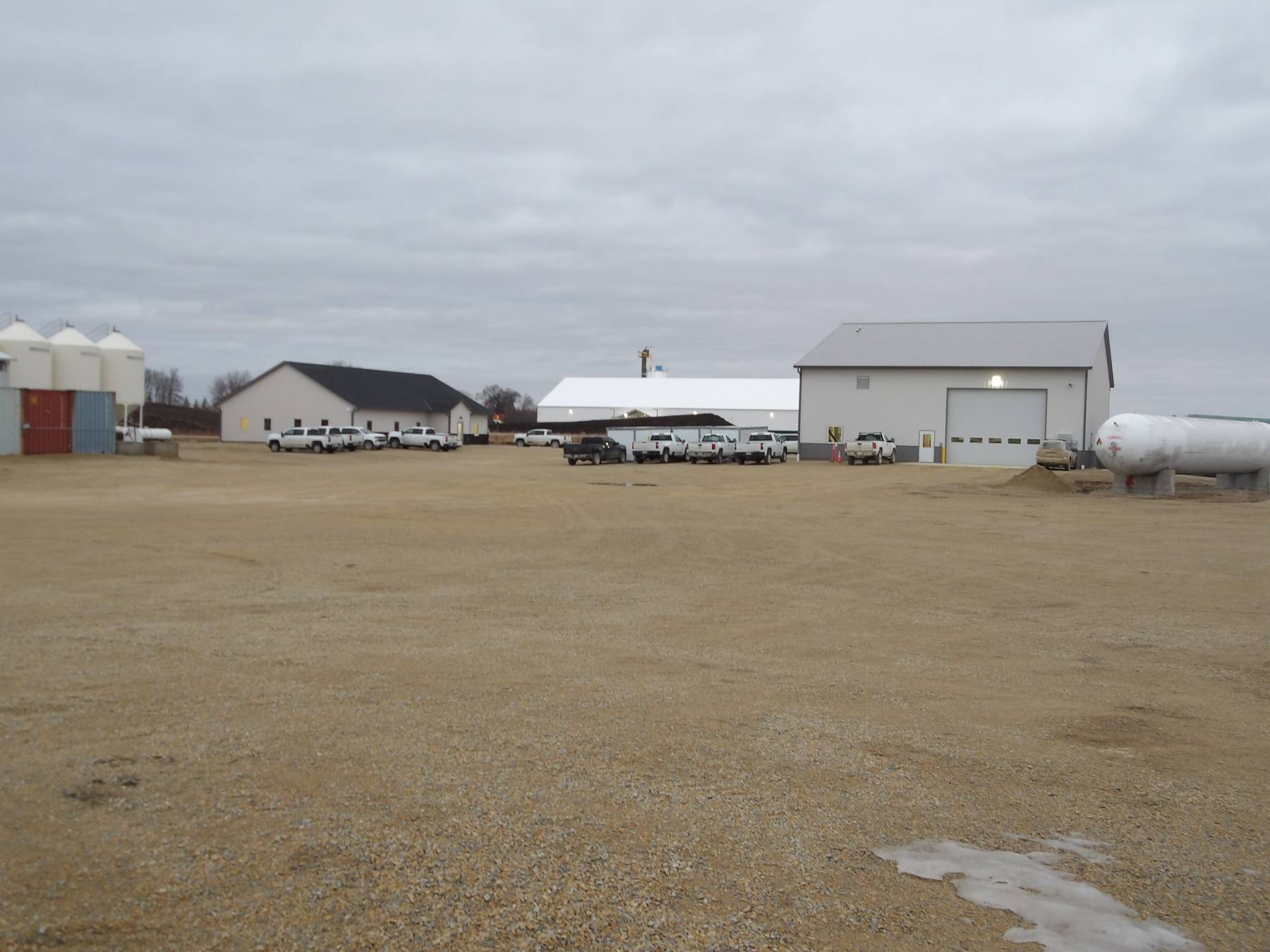
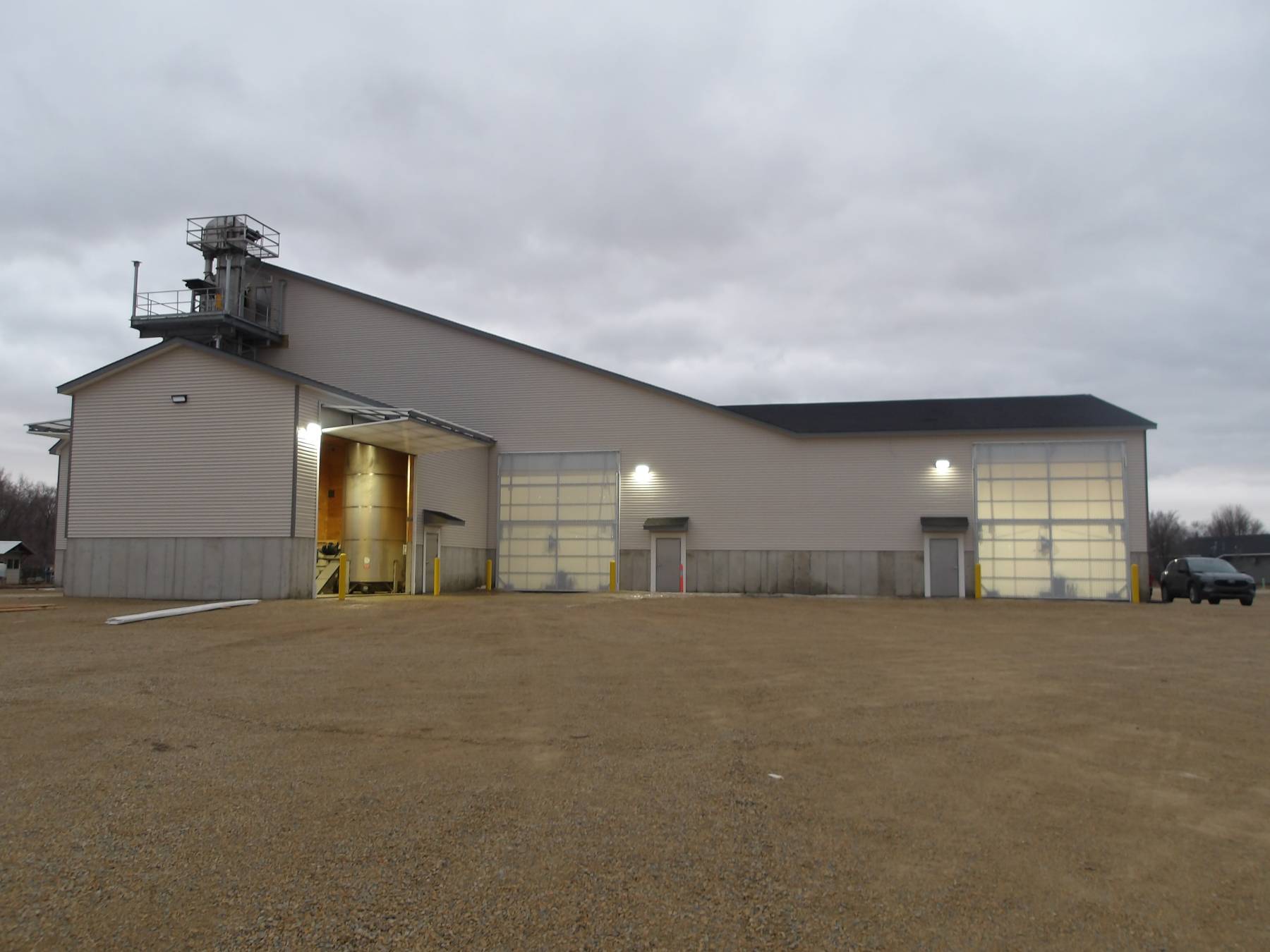
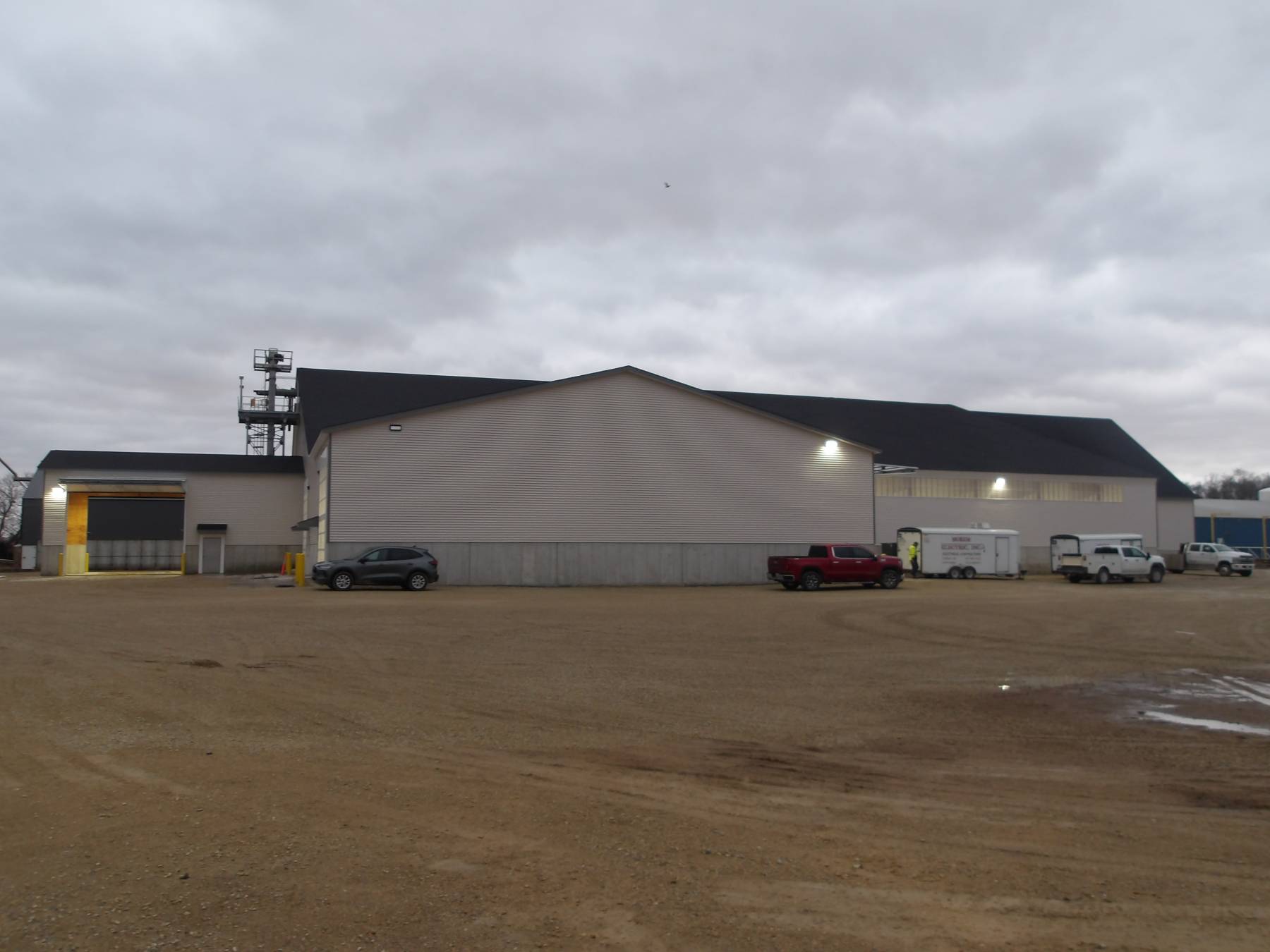
Randolph, MN – Thompson Engineering provided mechanical and plumbing design services for the Randolph Terminal Upgrade for River Country Co-op, a key agricultural facility supporting local farming operations in Randolph, Minnesota. This project highlights our expertise in designing infrastructure that directly supports the agricultural supply chain—from fertilizer storage to distribution.Agricultural facilities operate in demanding environments where system performance, durability, and reliability are essential—especially during critical planting and growing seasons. Our design approach focused on delivering systems that can withstand corrosive materials, manage dust and air quality, and perform consistently through extreme seasonal conditions common in the Midwest.The project included three buildings, each serving a vital role in supporting agricultural operations:
Office Building (3,800 SF):
Designed to support co-op staff and daily operations, this space required efficient HVAC systems that provide year-round comfort while maintaining indoor air quality in close proximity to fertilizer handling. The design ensures a clean, healthy environment for employees supporting agricultural customers.
Shop Building (4,800 SF):
This facility supports equipment maintenance and operational readiness. Mechanical systems were designed for durability and flexibility, accommodating large equipment, open bay conditions, and variable occupancy. Heating and ventilation solutions were selected to provide freeze protection and maintain safe working conditions in a rugged agricultural setting.
Dry Fertilizer Building (12,000 SF):
As the operational core of the terminal, this building required a highly functional and resilient design. Mechanical systems were tailored to manage dust and airflow associated with fertilizer handling, while also accounting for the corrosive nature of materials. The design prioritizes longevity, safety, and minimal maintenance to support continuous agricultural operations.Across all aspects of the project, Thompson Engineering delivered practical, efficient solutions aligned with the realities of agricultural facilities. Our experience with ag-focused infrastructure allows us to anticipate operational needs, reduce downtime risk, and design systems that support farmers and co-ops when it matters most.
- Dust control and ventilation for fertilizer handling operations
- System durability in corrosive agricultural environments
- Freeze protection and heating for extreme Minnesota winters
- Energy-efficient HVAC systems for office and occupied spaces
- Ventilation strategies for shop operations and equipment use
- Simplified, maintainable system layouts for long-term performance
- Indoor air quality for staff working in proximity to industrial processes
Total Facility Size: 20,600 SF across three buildings
Office Building: 3,800 SF
Shop Building: 4,800 SF
Dry Fertilizer Building: 12,000 SF
Project Scope: Mechanical and Plumbing Design
Primary Goal: Design resilient, low-maintenance mechanical and plumbing systems that support efficient fertilizer storage, handling, and distribution—while ensuring safe working conditions and reliable performance during peak agricultural seasons.
Key Design Considerations:
Design Approach: Practical, high-performing solutions tailored to agricultural operations—prioritizing reliability, ease of maintenance, and alignment with the day-to-day demands of a working co-op facility.